A table game about real AI failures
CauseCraft
Everyone gets a different reason the same AI failure happened. A chatbot helps each person argue their reason. The table decides which argument was most convincing.
- 3–5 people per table
- 40 minutes a round
- Up to 25 people in a room
- Any approved chatbot

The cards
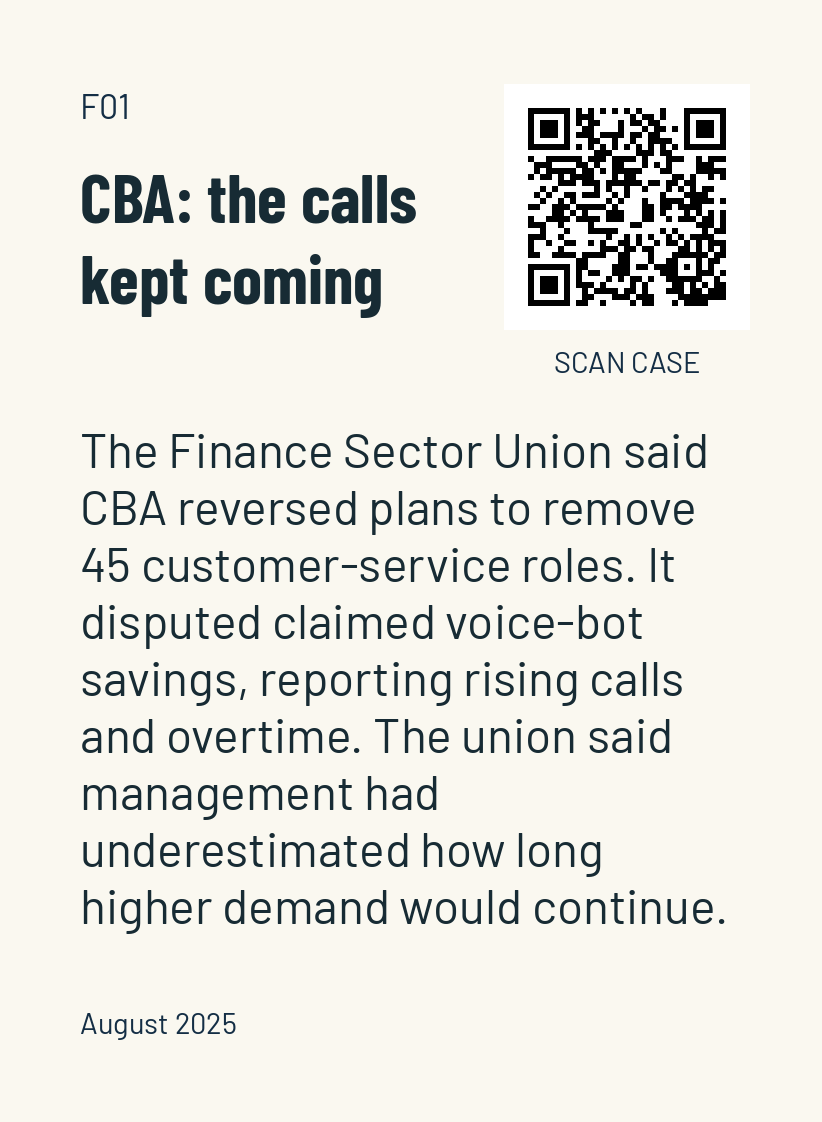
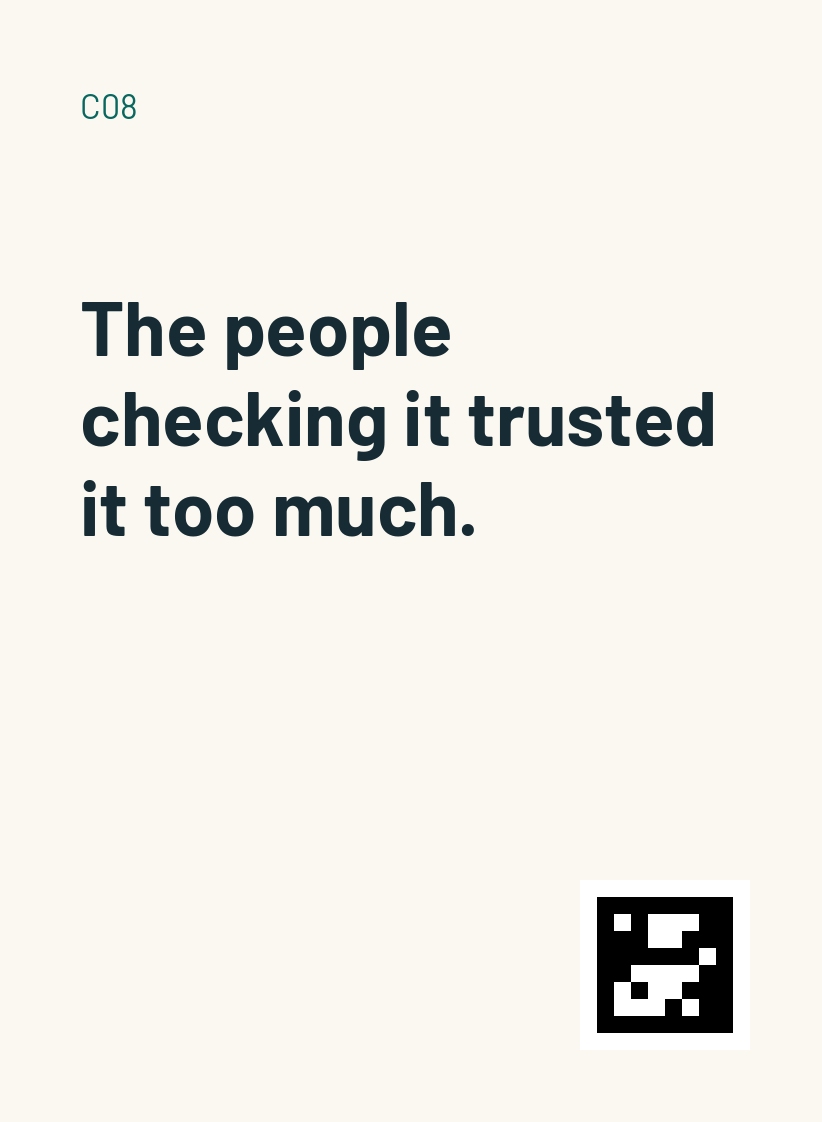
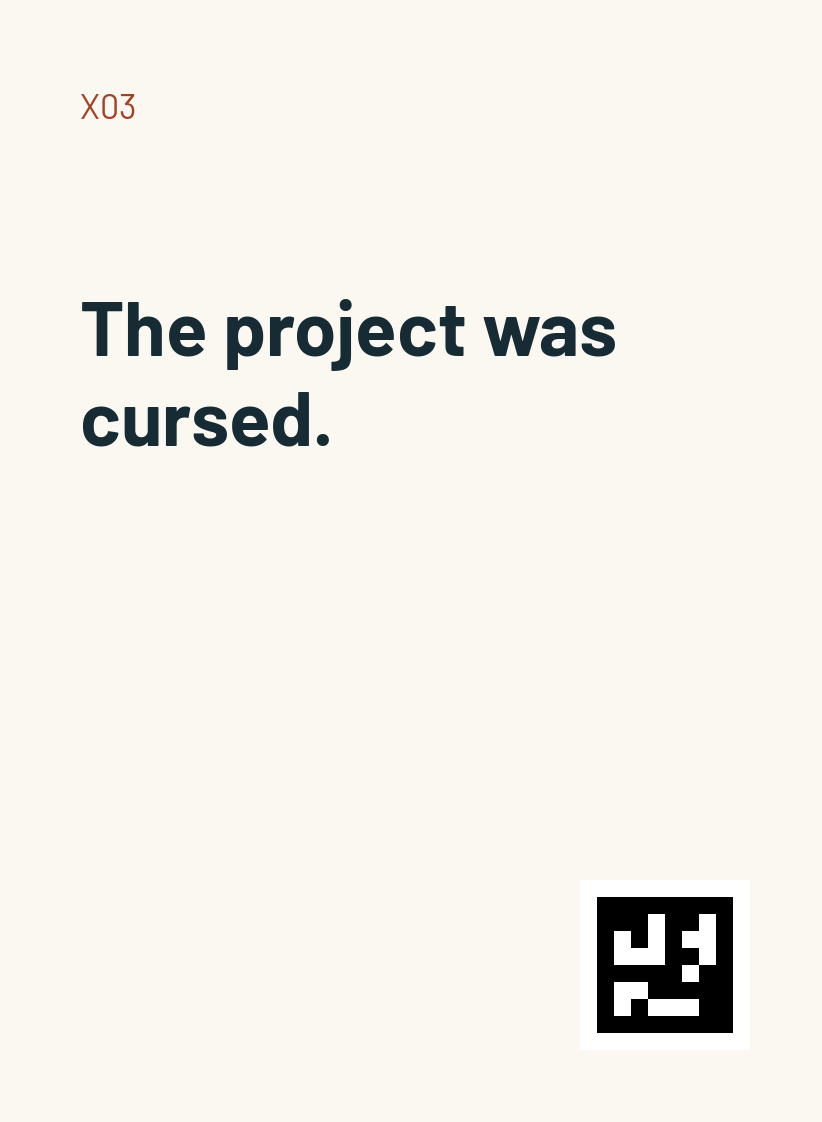
How a round works
Deal
5 minutesThe table turns over one failure card. Each person is dealt a cause card to argue.
Draft
12 minutesCopy a ready-made prompt into a chatbot and work it into a 100–140-word argument. Invent nothing.
Read
8 minutesEveryone reads their argument aloud. Nobody rates anything until all have been heard.
Rank
8 minutesEveryone privately ranks every argument, their own included, from most to least persuasive.
Discuss
7 minutesReveal the ranks. Did you rate your own argument higher than the table did? Was the winner right, or only persuasive?
What players take away
A convincing argument is not evidence
Every cause in the deck can be argued for every incident. None of the incidents has an official single cause, so the winning argument proves nothing about what happened.
Fluent prose persuades either way
The chatbot writes; the people judge. Players notice what moved them: a mechanism, a vivid detail or just confident wording.
Your own argument looks better to you
The scoring compares how you ranked your own argument with how everyone else ranked it. That gap starts the conversation.
The incidents in the deck
Each failure card summarises what was reported about a real organisation, with its sources. The deck offers causes to argue, not verdicts.
- CBA: the calls kept comingAugust 2025 · Voice bot and staffing workflow
- Zillow: buying the forecastNovember 2021 · Predictive pricing and property operations
- Replit: production was reachableJuly 2025 · Coding agent
- Deloitte: assurance needed checking2025 · Generative AI in report preparation
- Earnest: the school became a proxyJuly 2025 · Algorithmic student-loan underwriting